Lighting supervision UAE

Lighting Supervision UAE – Professional Monitoring and Quality Assurance by Light Elite

Introduction to Lighting Supervision UAE

Lighting plays a critical role in shaping how spaces look, function, and feel. To ensure every lighting system performs efficiently and safely, the demand for expert Lighting supervision UAE has increased across residential, commercial, and industrial sectors. Light Elite offers organized and highly reliable Lighting supervision UAE, ensuring all lighting systems are installed correctly, aligned with design plans, and optimized for long-term performance. The objective of Lighting supervision UAE is to guarantee flawless execution, reduce electrical risks, and maintain consistency between lighting design and actual installation.
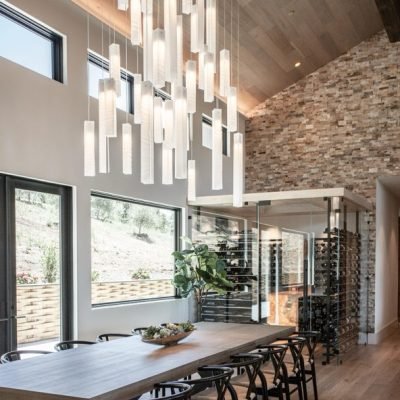
Lighting project supervision UAE

Benefits of Professional Lighting Supervision UAE by Light Elite

Light Elite ensures that every Lighting supervision UAE process improves lighting longevity, energy savings, and overall project quality.

Major Benefits Include:

  • Correct fixture installation

  • Reduced future maintenance

  • Better energy productivity

  • Enhanced visual comfort

  • Long-term lighting stability

  • Reduced installation errors

  • Stronger safety compliance

What is Lighting Supervision UAE?

Lighting supervision UAE refers to a detailed monitoring process that oversees the installation, testing, and performance evaluation of lighting systems. Light Elite provides Lighting supervision UAE to ensure that every project meets design intentions, safety regulations, and performance standards. This service helps achieve accurate lighting levels, proper fixture positioning, electrical stability, and overall system efficiency.


Why Choose Light Elite for Lighting Supervision UAE?

Light Elite offers structured and professional Lighting supervision UAE, making sure that every lighting component is installed and tested according to approved plans. Clients trust Light Elite because the company focuses on transparency, safety, compliance, and quality control.


Key Advantages Offered by Light Elite

  • Accurate execution of lighting layouts

  • Real-time monitoring during installation

  • Compliance with local electrical codes

  • Enhanced performance of lighting systems

  • Elimination of unnecessary energy waste

  • Long-term reliability and minimal maintenance

  • Improved visual comfort and lighting balance

Each benefit strengthens the value of Lighting supervision UAE and ensures every project operates smoothly.


Process Followed by Light Elite for Lighting Supervision UAE

Light Elite uses a systematic method to deliver dependable Lighting supervision UAE. The process includes multiple checkpoints to ensure precision and quality.


1. Pre-Installation Assessment

The initial stage of Lighting supervision UAE includes reviewing drawings, lighting layouts, fixture specifications, and power requirements. Light Elite checks:

  • Fixture types and placement

  • Wiring routes and electrical loads

  • Mounting heights and angles

  • Control system requirements

This ensures that the Lighting supervision UAE process begins with clarity and alignment with the project goals.


2. On-Site Installation Monitoring

Light Elite assigns skilled supervisors to monitor the ongoing installation. Lighting supervision UAE during installation includes:

  • Verifying fixture alignment

  • Checking ceiling and wall compatibility

  • Ensuring correct mounting techniques

  • Inspecting wiring connections

  • Reviewing driver and control integration

This prevents installation errors and supports high-quality implementation.


3. Testing and Adjustment

Once fixtures are installed, Light Elite conducts testing as part of Lighting supervision UAE to ensure consistent performance. The testing phase includes:

  • Lumen output verification

  • Color temperature accuracy

  • Beam direction adjustments

  • Control system syncing

  • Flicker and noise inspection

These steps ensure that the final lighting output matches the design intent.


4. Final Inspection and Handover

The last step in Lighting supervision UAE includes a complete walkthrough, fine-tuning, and system validation. After confirming performance, Light Elite prepares a supervision report for client approval.


Applications of Lighting Supervision UAE

Light Elite provides Lighting supervision UAE across various sectors. Each sector requires specific lighting performance, and supervision ensures accurate results.


Residential Lighting Supervision

Home lighting must support comfort and functionality. Lighting supervision UAE ensures correct illumination in:

  • Living rooms

  • Bedrooms

  • Apartments

  • Villas

  • Kitchens

  • Outdoor areas


Commercial Lighting Supervision

For commercial spaces, accuracy and energy efficiency are essential. Lighting supervision UAE is provided for:

  • Offices

  • Retail stores

  • Showrooms

  • Malls

  • Restaurants

  • Corporate buildings


Industrial Lighting Supervision

Industrial spaces require precision and compliance. Lighting supervision UAE supports:

  • Warehouses

  • Production units

  • Logistics facilities


Architectural Lighting Supervision

Architectural lighting enhances visual appeal. With Lighting supervision UAE, Light Elite ensures:

  • Structure highlighting

  • Façade illumination

  • Accent lighting


Key Components Checked During Lighting Supervision UAE

Light Elite examines every detail during Lighting supervision UAE to ensure flawless output.


Checklist Includes:

  • Fixture performance

  • Illumination levels

  • Color uniformity

  • Cable quality

  • Driver and ballast conditions

  • Emergency lighting integration

  • Smart lighting compatibility

  • Control system performance

  • Load capacity and distribution

Each parameter ensures safe and reliable lighting installation.


Why Lighting Supervision UAE Is Important for Large Projects

Large commercial and residential projects require accurate lighting performance to maintain design integrity. Light Elite ensures Lighting supervision UAE offers:

  • Precise angle alignment

  • Balanced lighting distribution

  • Maximized efficiency

  • Consistent illumination across all areas

  • Reduced installation delays


Light Elite's Commitment to Quality

Every project supervised by Light Elite reflects the company’s dedication to professional standards. Lighting supervision UAE delivered by the company ensures:

  • High-quality materials

  • Skilled supervision staff

  • Transparent communication

  • Accurate reporting

  • On-time completion


Conclusion

Light Elite provides highly reliable and professional Lighting supervision UAE, ensuring that every lighting system performs at its best. The company monitors each step of installation, tests the performance, and ensures compliance with safety and energy standards. With Lighting supervision UAE, clients receive long-lasting lighting systems that support comfort, efficiency, and visual appeal. Whether for residential, commercial, or industrial spaces, Light Elite guarantees quality, accuracy, and complete satisfaction through expert Lighting supervision UAE.

[rank_math_rich_snippet id="s-5578d44f-fc43-4c41-a2d5-2b2f536acb5e"]

Lighting plays one of the most influential roles in shaping the atmosphere, usability, and overall experience of any environment. Whether in a residential living room, a commercial building, or a large-scale public facility, the way light is planned, installed, and maintained determines the comfort, safety, and visual appeal of the space. A properly illuminated setting can elevate architectural features, support daily activities, create emotional warmth, and guide movement through various zones. This is why structured oversight of every stage of illumination work has become essential in modern design and construction projects. A well-managed lighting process begins with an in-depth understanding of the space itself. Before any fixtures, controls, or materials are selected, professionals evaluate the physical dimensions of the area, the function it serves, and the experience the occupants are meant to have. This initial assessment involves studying ceiling heights, wall finishes, furniture placement, and natural light entry points. These elements influence the type of artificial illumination required to balance brightness, reduce shadows, and prevent glare. The better the evaluation, the more accurately a lighting plan can be created for long-term performance. Once the spatial analysis is complete, specialists begin shaping a conceptual strategy. This stage is rooted in determining the mood and function of each area. Some spaces require warm, gentle hues that create a relaxing atmosphere. Others demand brighter, cooler tones that encourage attentiveness and visibility. Balancing these contrasting needs requires technical knowledge and artistic sensitivity. The conceptual phase also includes exploring fixture styles, beam angles, installation heights, and layering methods to ensure that the final outcome is both visually appealing and practical. After the concept is finalized, a more technical phase begins. This includes preparing detailed documentation, electrical load calculations, distribution diagrams, and specification sheets. These documents act as a roadmap for electricians, installers, and construction teams involved in the project. They ensure that each fixture is placed at the correct height, distance, and angle. They also guarantee that the electrical requirements comply with safety regulations and operate efficiently over time. Every detail, from wiring paths to control system configurations, must be carefully checked and recorded before installation begins. During installation, supervision becomes even more critical. Even the best design can fail if it is not installed correctly. Professionals overseeing the process ensure that fixtures are securely mounted, aligned with drawings, and wired according to approved plans. They verify that the electrical connections follow safety standards and that dimming systems, sensors, or automated controls integrate seamlessly with the rest of the building’s infrastructure. The goal is to prevent errors that might cause flickering, uneven brightness, or long-term maintenance issues. Once the installation phase is completed, testing begins. This is an essential step, as it allows the project team to verify that every component performs as intended. Testing includes checking brightness levels, ensuring uniformity of illumination, and confirming that switches, dimmers, or programmable systems respond accurately. If any issues arise — such as hotspots, dark patches, or fixture misalignment — they are corrected before the space is officially handed over to the user. This detailed testing phase guarantees consistent performance and visual appeal. Beyond installation and testing, ongoing monitoring plays an important role in maintaining the effectiveness of the lighting system. Over time, fixtures may degrade, controls may require recalibration, or the usage patterns of the space may change. Professional oversight ensures that the system remains efficient, reliable, and visually balanced. Preventive maintenance includes cleaning fixtures, checking wiring connections, inspecting control panels, and replacing damaged components before they affect the overall illumination. In environments where lighting influences safety, such as parking areas, corridors, building entrances, and public walkways, routine evaluation becomes even more important. In these spaces, poor illumination can lead to accidents, reduced visibility, or discomfort. Professional oversight ensures that brightness remains consistent, sensors detect movement correctly, and the lighting system supports safe navigation at all times. Periodic reviews also help in adjusting brightness levels based on weather changes, occupancy rates, or new structural additions to the property. In indoor spaces such as offices, hotels, educational institutions, and healthcare facilities, lighting also impacts productivity and well-being. Clear and balanced illumination can reduce eye strain, improve concentration, and create a welcoming atmosphere. Poor lighting, on the other hand, leads to fatigue, headaches, or lack of focus. Regular supervision ensures that the lighting continues to support the needs of occupants, whether through brightness adjustments, fixture upgrades, or improved control systems. Another essential aspect of long-term lighting management is energy performance. Many buildings now incorporate automated control systems, daylight sensors, time-based schedules, and efficient fixtures to reduce power consumption. Without proper oversight, however, these systems may not function optimally. Regular monitoring ensures that lights turn on and off as scheduled, sensors are calibrated correctly, and energy usage remains consistent with expectations. This not only lowers operating costs but also contributes to sustainability goals. In architectural settings, lighting serves both functional and aesthetic roles. It highlights structural features, accentuates textures, and shapes the mood of a space. Supervising this type of installation requires an understanding of how light interacts with materials and surfaces. Stone, wood, metal, and glass all behave differently under illumination. Professionals ensure that each material receives the perfect balance of brightness and shadow to achieve the intended visual effect. In outdoor environments, the challenges become even more complex. Weather conditions, temperature variations, and exposure to dust or moisture can affect the performance of fixtures. Regular supervision ensures that outdoor lights are protected, stable, and functioning despite environmental challenges. It also ensures that pathways remain safe, architectural facades stay visible, and landscaped areas maintain their aesthetic beauty. The evolution of lighting technology has introduced advanced systems that integrate automation, remote control, and digital interfaces. Although these innovations improve convenience and efficiency, they also require more precise supervision. Without monitoring, software updates may not be applied, control systems may malfunction, or sensor-driven lighting may become inaccurate. Oversight ensures the technology continues working at its full potential. Quality assurance is a major component of proper lighting management. This involves reviewing product quality, verifying fixture authenticity, and ensuring compliance with international standards. In many projects, fixtures are sourced from multiple manufacturers. Oversight ensures uniformity in color temperature, brightness, and performance across all components. This consistency is essential for maintaining the visual harmony of the environment. Communication among teams is another important factor. Lighting professionals work closely with architects, engineers, electricians, interior designers, and project managers. Coordinated supervision ensures that the lighting plan aligns with structural elements, design concepts, and electrical systems. It prevents conflicts, delays, and costly corrections at later stages of the project. Throughout every phase — from planning to installation, testing to maintenance — the role of professional oversight remains constant. It ensures that each element is executed with precision and delivers long-lasting value. Lighting is not simply about brightness; it is about creating an environment that enhances human experience, supports vision, and strengthens the overall identity of a space. In summary, a well-supervised lighting system is the foundation of a successful built environment. It balances design and functionality, reduces long-term costs, improves safety, and enhances user comfort. With careful planning, accurate installation, structured testing, and continuous monitoring, lighting becomes an asset that enriches both the space and the lives of the people who use it. This careful and detailed approach ensures that every project receives the level of attention it deserves, resulting in a space that is visually appealing, efficient, and supportive of its intended purpose.Creating a reliable and well-planned lighting environment requires a deep understanding of how spaces behave under various conditions. Every room, corridor, outdoor pathway, and architectural surface reacts differently to illumination, which makes the planning and supervision process an essential part of any project. This extended description explores the importance of detailed oversight, professional coordination, and technical accuracy in delivering lighting results that look beautiful, function seamlessly, and remain dependable for long periods. A major aspect of high-quality lighting work is the ability to review design expectations and compare them with real-world site conditions. Even with detailed drawings and plans, actual spaces may present challenges that must be addressed on-site. Materials may reflect differently than expected, shadows may behave inconsistently, and equipment positioning may require fine adjustments. Proper monitoring ensures that these factors are identified early and corrected before installation progresses too far. Another important part of the oversight process is ensuring that all teams involved in a project are aligned. Lighting work often overlaps with electrical tasks, mechanical systems, interior finishing, and architectural detailing. Without clear direction and supervision, misalignment can lead to incorrect positioning of fixtures, poorly routed cables, or insufficient support structures. Proper coordination guarantees that every team member understands the lighting requirements and contributes to achieving the intended outcome. Throughout the implementation stage, attention to detail remains a constant priority. Every fixture needs to be installed at the right angle, height, and orientation to ensure optimal distribution of light. Even a slight deviation can alter the emotional and visual impact of a space. Monitoring allows the team to make quick corrections and verify that all components follow the approved plans. This is especially important in areas where lighting plays a strong decorative or functional role. After installation begins, reviewing the output of each light source becomes crucial. Light behaves dynamically based on the surrounding surfaces, architectural elements, and level of ambient illumination. Evaluating the performance of each fixture ensures that brightness levels remain balanced, glare is avoided, and the overall ambiance aligns with the intended design. These evaluations often require multiple rounds of testing, adjustments, and fine-tuning. In many projects, lighting technology includes advanced control systems. These may involve automated dimming, motion sensors, daylight integration, or programmable scenes. Supervising these setups helps ensure that each component connects correctly and operates as expected. Without careful attention, systems can malfunction or fail to respond to user preferences. Proper monitoring ensures reliability, safety, and long-term functionality. Large-scale spaces such as commercial buildings, hospitality settings, and public areas require additional layers of review. These environments serve diverse purposes and may host varying levels of foot traffic throughout the day. Effective monitoring ensures that lighting supports each activity while maintaining comfort, efficiency, and safety. For example, a workspace requires consistent brightness for productivity, while a dining environment might need softer illumination to create a relaxed atmosphere. Another vital component of lighting oversight involves verifying compatibility between chosen fixtures and electrical infrastructure. Power availability, wiring layout, load distribution, and control compatibility all need to be checked thoroughly. Identifying mismatches early prevents operational issues and avoids costly revisions later. This careful technical evaluation contributes directly to the longevity of the lighting system. Safety is also a significant factor. Proper supervision ensures that fixtures are installed securely, wiring is protected, and equipment meets local regulations. Safety checks extend beyond the installation stage as well. Functional tests, emergency lighting performance, and general system reliability all need thorough review before final approval. A lighting system is not considered complete until it operates safely under all expected conditions. Environmental considerations also play an increasingly important role. Modern lighting systems often aim to reduce energy consumption while maintaining high performance. Oversight helps ensure that selected components are efficient, well-integrated, and environmentally responsible. This includes confirming that control systems work correctly, sensors respond appropriately, and any automated adjustments help conserve energy. A key advantage of proper lighting supervision is the ability to maintain the original design intent. Designers often envision a specific visual narrative, whether it involves enhancing architectural lines, creating focal points, or producing emotional responses. Without oversight, even small deviations can dilute the impact of the final result. Effective monitoring ensures that every detail—from fixture alignment to color temperature—contributes to the intended experience. The final evaluation stage includes reviewing the entire system once installation is complete. This may involve night testing, scene adjustments, or evaluating how the system behaves during different operational hours. These assessments help determine whether the lighting environment supports real-life conditions and user needs. Any discrepancies identified at this point are corrected before handing over the project. A structured handover process ensures that users understand how to operate and maintain their lighting system. This may include training on control panels, demonstrating automated features, or explaining how to perform basic adjustments. Proper training empowers users to manage their environment effectively and prolong the lifespan of the system. Post-installation support is another important aspect. Even the most well-designed lighting system may require adjustments once it is in daily use. Providing ongoing guidance helps maintain performance, resolve minor issues, and ensure long-term satisfaction. Lighting is a dynamic element of any space, and continued support ensures that it remains functional, aesthetically pleasing, and adaptable. Projects of any scale benefit significantly from rigorous oversight. Whether the environment is residential, corporate, hospitality-based, or industrial, thorough supervision ensures that the project proceeds smoothly from planning to final delivery. It reduces the likelihood of design errors, installation issues, and user dissatisfaction. More importantly, it guarantees that the final lighting experience aligns with the initial vision. The broader impact of effective lighting supervision lies in the transformation of environments into more enjoyable, comfortable, and inspiring places. Lighting influences how people feel, how they move, and how they interact with their surroundings. When executed with precision, lighting enhances productivity, improves safety, enriches moods, and supports a wide range of activities. Proper oversight ensures these benefits are fully realized. In essence, a strong supervision process serves as the backbone of a successful lighting project. It keeps the design on track, ensures technical accuracy, supports collaboration among various teams, and validates the final results. This careful attention to detail creates lighting environments that feel refined, natural, and perfectly suited to their purpose.