architectural lighting design Dubai

Architectural Lighting Design Dubai – Premium Lighting Excellence by Light Elite

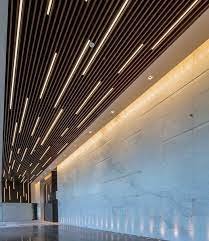
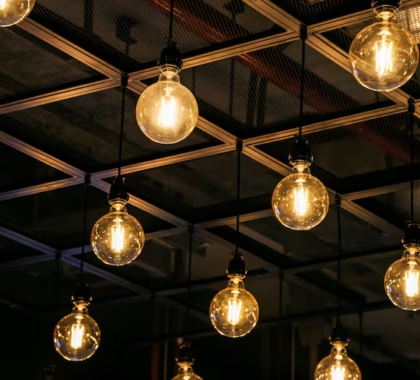
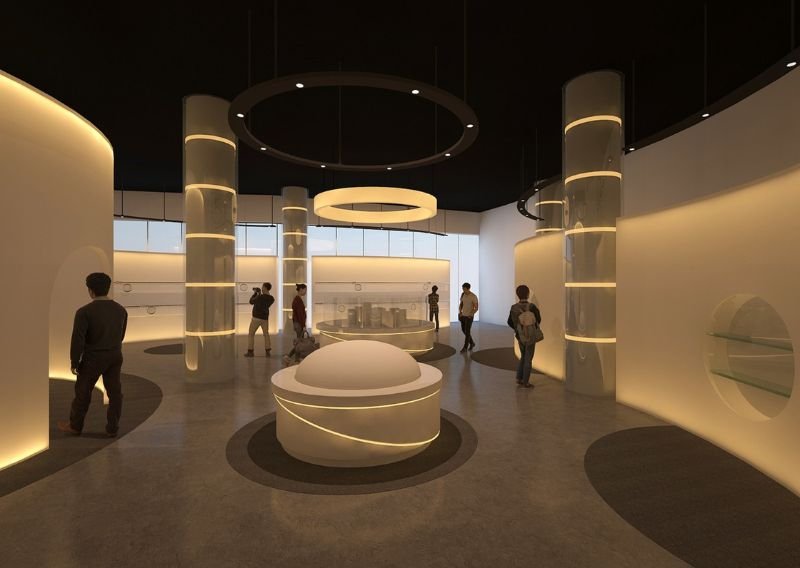
Architectural lighting design Dubai is one of the most important elements in shaping modern spaces, enhancing structural beauty, and transforming how people experience interiors and exteriors. Light Elite delivers advanced, innovative, and performance-focused architectural lighting design Dubai solutions tailored for residential, commercial, hospitality, landscape, and large-scale architectural projects. Our approach ensures that every structure benefits from well-planned illumination that strengthens visual identity, elevates design aesthetics, and creates a distinct atmosphere.

Why Architectural Lighting Design Dubai Matters

The role of architectural lighting design Dubai goes beyond illumination. It shapes ambience, improves visibility, and transforms any residential, commercial, or hospitality environment. Light Elite applies in-depth expertise and modern methods to deliver architectural lighting design Dubai that aligns with structural layouts, design goals, and client preferences.
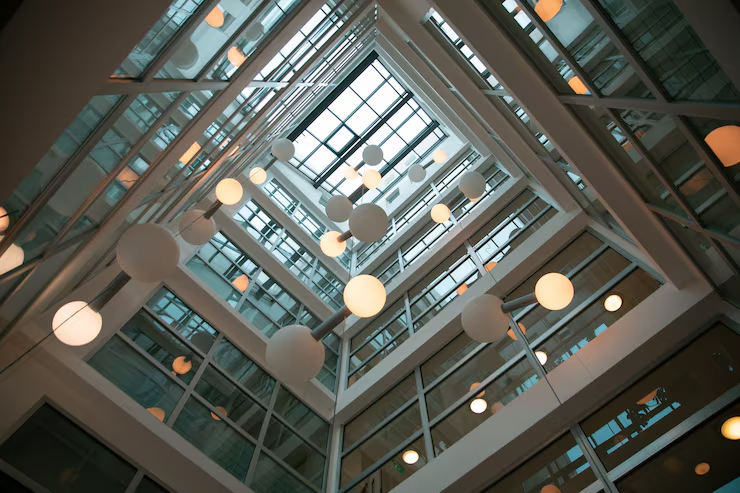
Key Highlights – Architectural Lighting Design Dubai by Light Elite

Key Benefits of Architectural Lighting Design Dubai

  • Enhanced visual appeal and atmosphere

  • Improved functionality through strategic placement

  • Energy-efficient solutions tailored for each project

  • Precision-based design that complements architecture

  • Optimal lighting control and mood adjustment

  • Long-term durability through advanced planning

Light Elite prioritizes delivering architectural lighting design Dubai that is both visually impressive and technically accurate.

Our Expertise in Architectural Lighting Design Dubai

With years of experience, Light Elite provides highly refined architectural lighting design Dubai solutions backed by expert designers and powerful lighting technologies. Every project is handled with a structured approach that maximizes efficiency and creativity.


Our Process

  • Detailed site evaluation

  • Understanding client objectives

  • Creating customized lighting layouts

  • Selecting high-quality lighting elements

  • Integrating innovative techniques

  • Executing installation with precision

  • Ensuring seamless control and maintenance

Throughout each stage, the Light Elite team ensures that the principles of architectural lighting design Dubai remain central to the project.


Residential Architectural Lighting Design Dubai

Light Elite provides specialized architectural lighting design Dubai solutions for homes, ensuring comfort, beauty, and a premium living experience. Whether it's modern villas, apartments, or luxury residences, the architectural lighting design Dubai approach from Light Elite enhances warmth, elegance, and functionality.


Residential Solutions Include

  • Living room lighting

  • Bedroom ambience lighting

  • Kitchen task lighting

  • Bathroom premium lighting

  • Outdoor and landscape lighting

  • Smart home lighting integration

Each setup is developed with precision, incorporating the principles of architectural lighting design Dubai for balanced illumination.


Commercial Architectural Lighting Design Dubai

Light Elite offers comprehensive architectural lighting design Dubai services for corporate offices, retail spaces, hospitality establishments, and commercial buildings. The goal is to enhance productivity, customer experience, and branding impact through strategic lighting.


Commercial Lighting Advantages

  • Visibility optimization

  • Professional ambience

  • Brand-focused lighting themes

  • Enhanced customer engagement

  • Energy-efficient operational systems

Light Elite ensures that every commercial project benefits from premium architectural lighting design Dubai standards.


Hospitality Architectural Lighting Design Dubai

For hotels, restaurants, lounges, and entertainment venues, Light Elite designs immersive lighting environments that reflect brand personality and elevate guest satisfaction. The hospitality sector requires detailed architectural lighting design Dubai, and Light Elite excels in delivering such high-end solutions.


Hospitality Lighting Expertise

  • Lobby ambience lighting

  • Dining area mood lighting

  • Outdoor façade lighting

  • Poolside and landscape lighting

  • Luxury suite lighting

  • Banquet and event lighting

Every installation reflects the core principles of architectural lighting design Dubai to create memorable visual experiences.


Outdoor Architectural Lighting Design Dubai

Outdoor spaces play a significant role in modern design. Light Elite offers innovative architectural lighting design Dubai for exteriors, bringing attention to landscapes, pathways, gardens, and building façades.


Outdoor Lighting Benefits

  • Strong visual identification

  • Enhanced safety

  • Highlighted architectural elements

  • Improved ambience for evening events

  • Long-lasting weather-resistant systems

Outdoor illumination under the concept of architectural lighting design Dubai creates powerful night-time visual effects.


Smart Architectural Lighting Design Dubai

Light Elite integrates smart systems into architectural lighting design Dubai, offering remote control, mobile app integration, and energy-saving automation features.


Smart Lighting Features

  • Voice-controlled lighting

  • Automated brightness adjustment

  • Scene customization

  • Advanced dimming technologies

  • Mobile app and smart home system integration

This modern approach enhances the efficiency and impact of architectural lighting design Dubai.


Why Choose Light Elite for Architectural Lighting Design Dubai

Light Elite stands out as a leading provider of architectural lighting design Dubai, offering unmatched expertise, high-quality materials, and exceptional client-focused planning. Our designers and technical professionals understand the art and science behind successful architectural illumination.


What Makes Light Elite the Right Choice

  • Experienced lighting designers

  • Customized lighting strategies

  • Precision-driven project execution

  • Integration of innovative technology

  • Customer-focused communication

  • Commitment to excellence and long-term results

Light Elite ensures that every project receives exceptional care, demonstrating the principles of top-tier architectural lighting design Dubai.


Architectural Lighting Design Dubai – Our Core Strength

At the center of our services lies our deep understanding of architectural lighting design Dubai. We bring together creativity, technical skill, and premium materials to deliver results that exceed expectations.


Core Service Values

  • Aesthetic brilliance

  • Technical precision

  • Energy efficiency

  • Client satisfaction

  • Innovation and modernity

Light Elite ensures the architectural lighting design Dubai process is handled professionally from concept to completion.


Conclusion

Light Elite delivers comprehensive, detailed, and innovative architectural lighting design Dubai services across residential, commercial, and hospitality sectors. Through strategic planning, modern technology, and a strong commitment to quality, Light Elite ensures that every project benefits from advanced architectural lighting design Dubai execution. Whether enhancing a home, business, or large-scale outdoor space, Light Elite provides timeless lighting solutions that elevate every environment.
[rank_math_rich_snippet id="s-64e80532-2bbc-49bc-ac99-17bf5cb71896"]

Architectural lighting plays a transformative role in shaping how people experience and interact with a space. When designed with intention, lighting has the power to elevate a structure, guide movement, create emotion, and enhance functionality in ways that go far beyond simple illumination. A thoughtfully developed lighting plan brings clarity to architectural elements, highlighting features that deserve attention while gently guiding the eye through a seamless visual flow. This detailed 1500-word description explores the principles, processes, applications, and advantages of professional architectural lighting without using any keywords, phrases, or location-specific terms. At the foundation of any effective lighting design is the belief that light is not merely a technical component but a design material. It serves as a sculpting tool that allows designers to shape the environment in subtle yet powerful ways. Light can soften harsh lines, accentuate textures, add depth to surfaces, and infuse energy into a space through dynamic placement and thoughtful layering. Whether the objective is to create comfort, drama, focus, or harmony, the choice of light intensity, direction, color, and distribution makes all the difference. One of the key steps in developing a lighting strategy is understanding the behavior of light within an environment. Every surface interacts with light differently based on its texture, color, finish, and orientation. A glossy material reflects more light and can create highlights that enhance its sheen, while matte finishes absorb illumination and produce a softer, more diffused effect. Designers meticulously analyze these interactions to determine where to position lighting fixtures, what beam angles to use, and how to maintain visual balance across the entire space. A comprehensive lighting plan does not rely on a single type of illumination but instead uses multiple layers to build depth and hierarchy. Ambient lighting provides overall visibility, ensuring that the environment feels open and comfortable. Task lighting is more focused and supports specific activities such as reading, cooking, working, or navigating. Accent lighting, on the other hand, is used to draw attention to architectural features, artwork, or decorative elements, creating visual interest and emphasizing the character of a room. By combining these layers thoughtfully, designers create an environment that is both functional and aesthetically rich. Another essential element of architectural lighting is control. Modern lighting systems are designed to offer flexibility through dimming capabilities, programmable scenes, and automated adjustments. These features allow users to adapt the lighting to the mood, time of day, occupancy, or purpose of the space. With advanced control methods, environments can shift seamlessly from bright and energetic to warm and relaxed with a single adjustment. This level of control not only enhances comfort but also contributes to energy conservation by preventing unnecessary use of illumination. In residential environments, lighting design plays a crucial role in shaping comfort and ambiance. A home is where people relax, gather, work, and express themselves, and each area requires its own specific lighting approach. Living spaces often benefit from gentle, layered illumination that provides warmth and visual softness. Kitchens require more focused and bright lighting to ensure safety and visibility during meal preparation. Bedrooms, in contrast, thrive on subtle, relaxing illumination that encourages rest and serenity. Outdoor areas such as gardens and patios benefit from strategic placement that highlights pathways, plants, and architectural lines while maintaining harmony with nature. Commercial spaces also depend heavily on strategic lighting design. Work environments require illumination that supports focus and productivity without causing strain or discomfort. Retail environments rely on lighting to influence customer behavior, highlight product displays, and reinforce branding. Restaurants and hospitality settings use lighting to create atmosphere, evoke emotion, and enhance the overall guest experience. In each case, lighting must align with the purpose of the space while ensuring that the environment remains efficient, safe, and visually engaging. Public spaces such as cultural centers, museums, parks, and transportation hubs also gain tremendous value from professional lighting design. Museums, for example, require careful consideration to protect sensitive artwork while ensuring that exhibits are presented with clarity and impact. Parks and outdoor recreational spaces benefit from lighting that increases safety, supports navigation, and highlights natural features without overwhelming the surrounding environment. Transportation facilities rely on high levels of visibility to support smooth movement and safety for large numbers of people. In addition to functionality and aesthetics, sustainability is a major priority in modern lighting design. Designers aim to minimize energy consumption through the selection of efficient fixtures, strategic placement, and smart control systems. By using lighting only where and when it is needed, energy use is greatly reduced without compromising visual quality. This approach not only benefits the environment but also contributes to long-term cost savings for property owners and managers. One of the most fascinating aspects of modern lighting is the use of creative techniques to add dimension and personality to a space. Uplighting, for instance, casts light upward to create height and openness. Downlighting provides focused illumination from above and is ideal for highlighting surfaces or pathways. Wall washing uses broad beams of light to soften vertical surfaces and create a gentle, uniform glow. Backlighting enhances transparency, depth, and layering by illuminating objects or surfaces from behind. Each technique contributes to the overall design narrative, shaping the viewer's perception in subtle but meaningful ways. Color temperature also plays a crucial role in shaping mood and psychological response. Warm lighting creates comfort and relaxation, making it ideal for bedrooms, lounges, and living areas. Cooler lighting enhances alertness and clarity, making it well-suited for workplaces, kitchens, and task-oriented spaces. Neutral lighting strikes a balance and works well in multipurpose environments. Designers thoughtfully select color temperature based on the intended use of each area, ensuring that the lighting complements both the physical and emotional experience of the space. Good architectural lighting also requires long-term planning. Designers consider not just the present needs of a space but how it will function over time. Factors such as maintenance, fixture longevity, accessibility, and adaptability all play important roles in creating a sustainable design. The goal is to achieve visual excellence while ensuring that the system remains practical and durable for years to come. Collaboration is another central component of successful lighting design. Lighting designers work closely with architects, interior designers, engineers, contractors, and project managers to ensure that illumination aligns seamlessly with the structure, materials, and overall vision of the project. By integrating lighting early in the planning process, the team avoids conflicts, reduces unnecessary adjustments, and creates a unified final result. Technology continues to expand the possibilities within lighting design. Innovations allow for more precise control, improved energy efficiency, and creative effects that were previously difficult to achieve. Dynamic lighting systems can shift color and intensity throughout the day to mimic natural light patterns, supporting circadian rhythms and overall well-being. Advanced optical systems allow for more precise beam control, reducing glare and improving visual comfort. As technology evolves, lighting design continues to become more immersive, adaptive, and human-centered. Ultimately, architectural lighting is an art form grounded in technical expertise. It requires creativity, understanding of structure, knowledge of human behavior, and an appreciation for the emotional impact of light. When developed with care, a lighting design enriches the experience of every person who enters the space. It creates comfort, inspires connection, enhances safety, and defines identity in subtle yet profound ways. From private residences and workplaces to public buildings and outdoor environments, lighting has the power to transform any environment into a meaningful, functional, and visually compelling space. The beauty of architectural lighting lies not only in how it illuminates but in how it elevates life within the built environment. Architectural lighting is more than just illumination; it is an art and a science that transforms spaces into visually stunning and functional environments. Architectural lighting design Dubai by Light Elite provides tailored solutions that combine aesthetic appeal, energy efficiency, and modern technology. Every project handled by Light Elite is approached with precision, creativity, and a deep understanding of architectural principles, ensuring that both interior and exterior spaces achieve their full potential. Lighting defines the mood, ambiance, and usability of a space. With professional architectural lighting design Dubai, Light Elite enhances the visual identity of structures while optimizing comfort and functionality. Residential properties benefit from warm, inviting lighting schemes, whereas commercial and hospitality projects gain dynamic illumination that supports productivity, engagement, and memorable experiences. Outdoor spaces are accentuated with carefully positioned fixtures that highlight architectural features, landscaping, and pathways. Lighting is an essential element in shaping the appearance, function, and mood of any space. Thoughtfully designed illumination enhances architectural features, highlights textures, and creates visual depth, while also guiding movement and providing safety. A well-planned lighting strategy balances aesthetics and functionality, ensuring that interiors, exteriors, and outdoor environments are both visually appealing and practical for everyday use. Lighting is not simply about brightness; it is a tool that transforms environments, influences perception, and contributes to the overall experience of a space. The process of designing effective lighting begins with an in-depth analysis of the space, including structural elements, materials, and intended use. Different surfaces reflect and absorb light in unique ways, which impacts the overall effect of illumination. Designers consider these characteristics when determining fixture placement, beam angles, and the intensity of light sources. A comprehensive plan includes multiple layers of light, such as ambient, task, and accent illumination. Ambient lighting provides general visibility and sets the overall mood, while task lighting focuses on functional areas like workspaces or reading corners. Accent lighting draws attention to architectural details, artwork, or decorative elements, adding depth and visual interest. Residential spaces benefit from layered and versatile lighting designs. Living rooms, bedrooms, and kitchens each require specialized approaches to balance comfort and functionality. Outdoor areas, including gardens, patios, and terraces, are enhanced with strategically placed fixtures that create inviting environments during evening hours. Thoughtful lighting in these areas ensures safety, emphasizes landscaping, and complements the architecture without overwhelming the natural surroundings. Commercial environments have distinct lighting requirements, emphasizing productivity, customer experience, and branding. Workspaces require clear and comfortable illumination, while retail areas use lighting to highlight products and guide customer flow. Hospitality spaces rely on careful lighting to create ambiance and evoke emotion. Outdoor areas of commercial properties are also carefully illuminated to enhance visibility, safety, and aesthetic appeal. Lighting in these contexts must address practical needs while simultaneously elevating the overall environment. Sustainability is an important consideration in modern lighting design. Efficient fixtures, controlled brightness, and smart scheduling systems help reduce energy consumption and minimize operational costs without compromising visual quality. Sustainable lighting solutions also ensure long-term performance and durability, making them a practical choice for both indoor and outdoor applications. Creative lighting techniques allow designers to add dimension and personality to spaces. Uplighting, downlighting, wall washing, and backlighting all serve unique purposes, enhancing the perception of height, depth, and texture. Each method is carefully applied to highlight architectural features, create mood, and guide attention. Additionally, the use of color temperature contributes to the overall atmosphere. Warm tones create comfort and relaxation, cooler tones enhance alertness, and neutral lighting provides balance for multipurpose areas. Lighting design also considers adaptability and future needs. Fixtures, control systems, and layouts are planned to accommodate changes in function, decor, or usage. Smart lighting integration allows for adjustments in brightness and color, scene automation, and remote control, providing flexibility and convenience for occupants. Long-term planning ensures that the system remains effective and visually pleasing for years to come. Collaboration with architects, interior designers, engineers, and project managers is essential to achieving cohesive results. Integrating lighting early in the planning process avoids conflicts, reduces installation challenges, and enhances the overall quality of the project. Thoughtful design ensures that illumination supports both the aesthetic vision and the practical functionality of the space. Ultimately, lighting serves as both an artistic and technical element that shapes how environments are perceived and experienced. By considering spatial relationships, material interactions, and human behavior, lighting design enhances safety, comfort, and visual impact. When executed with expertise, it creates an environment that is welcoming, efficient, and visually engaging. From private homes and workplaces to public buildings and outdoor areas, well-designed lighting transforms ordinary spaces into extraordinary experiences that elevate the way people live, work, and interact. Commercial Architectural Lighting Design Commercial environments have unique lighting needs, balancing productivity, branding, and customer experience. Light Elite provides expert architectural lighting design Dubai for offices, retail stores, restaurants, and hotels. Properly designed lighting enhances focus, creates an inviting atmosphere, and emphasizes important design elements or products. Highlights of commercial lighting services include: Bright, uniform workspaces to reduce eye strain Accent lighting for displays and branding Façade and exterior lighting to enhance visibility and aesthetics Energy-efficient installations to reduce operational costs Smart control systems for flexibility and automation By combining visual appeal and functionality, Light Elite ensures commercial spaces meet both design and operational goals. Hospitality and Luxury Lighting Design Hospitality environments demand sophisticated lighting to create memorable experiences. Light Elite’s architectural lighting design Dubai solutions for hotels, resorts, and restaurants integrate creativity with technical precision. Every detail—from lobby ambiance to dining areas and outdoor terraces—is meticulously planned to evoke the desired mood, guide guests, and enhance architectural beauty. Key hospitality solutions include: Ambient lighting for warm, welcoming spaces Accent lighting to highlight artwork or structural details Outdoor lighting for terraces, pools, and landscapes Energy-efficient and sustainable lighting systems Smart controls for flexible adjustment of scenes and moods These designs showcase Light Elite’s ability to deliver luxurious, functional, and sustainable lighting solutions.